On this page
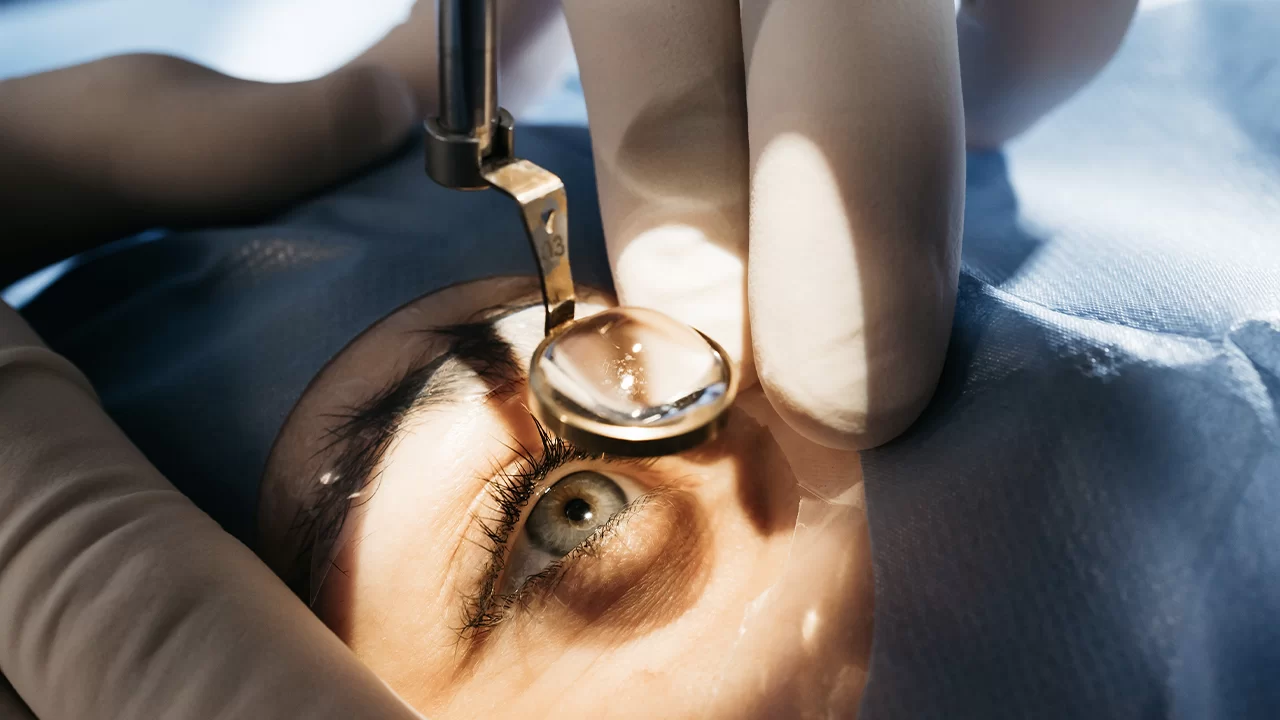
Our sense of sight is the most fundamental tool for leading an independent life, capturing the smiles on our loved ones' faces, and interacting with the world. However, for individuals who lose their central vision due to diseases affecting the macula (yellow spot), life turns into a challenging struggle where a black spot (scotoma) sits right in the center, making reading, driving, and recognizing faces impossible. As Ophthalmology Specialist Ayşe Öner and her visionary clinical team specialized in neuro-visual rehabilitation, we offer Vision Rehabilitation with Microperimetry (Biofeedback Training)—one of the most innovative points reached by medical technology—to our patients.
What is Microperimetry and Biofeedback?
When the macular tissue responsible for central vision dies due to disease or trauma, it may not always be possible to fully revitalize those cells with modern medicine. The patient sees only a dark or blurred area when looking directly ahead. However, immediately surrounding the macula, there are thousands of healthy retina cells that are still alive and capable of perceiving light perfectly.
The Microperimetry device is a highly advanced technology that creates a high-resolution topographic map of the posterior layer of the eye with millimeter precision, detecting at a cellular level exactly which regions the patient can and cannot see.
Biofeedback Training (Vision Rehabilitation) is the process of training the brain to use these healthy "cell islands" detected by microperimetry as the "new visual center." In medical literature, this new center is called the "Preferred Retinal Locus (PRL)." Normally, our brains are programmed from birth to look with the exact center (fovea). Through Biofeedback training, the brain is taught to leave the damaged center behind and use the healthy area right next to it as the "new center."
The Miracle of Neuroplasticity: Rewiring the Brain
The greatest power underlying this treatment is the human brain's capacity to reshape and learn, known as "Neuroplasticity." Just as a right-handed person can learn to write with their left hand if their right hand is broken, the brain can learn to transfer the function of the damaged center in the eye to a healthy retinal region. Biofeedback training is a neuro-cognitive rehabilitation process that optimizes the patient's existing visual capacity (maximum efficiency) by updating the "software" in the brain, rather than repairing hardware (cellular) damage in the eye.
Which Eye Diseases is the Treatment Applied To?
Vision Rehabilitation with Microperimetry is a life-saving alternative for patients with permanent tissue loss in the center of the eye where classical medical/surgical treatments can no longer provide further vision improvement. The primary diseases for which this advanced training protocol is applied in our clinic are:
- Age-Related Macular Degeneration (Yellow Spot Disease): Especially in advanced dry-type or in wet-type patients who have undergone treatment but developed permanent central scarring.
- Macular Dystrophies (Stargardt and Best Disease, etc.): In genetic dystrophies that destroy central vision at a young age, to help children and young people maintain their education and reading lives.
- Post-Macular Hole and Epiretinal Membrane: In cases where surgery was successful but central vision did not fully recover due to cell loss.
- Myopic Maculopathy: Central retinal damage developing due to high myopia.
- Optic Neuropathies and Glaucoma: To help patients with specific blind spots (scotoma) in their visual field use healthy areas more efficiently.
How Does the Application Process Proceed? Training with Sound and Light
Biofeedback treatment is a completely safe, painless, and interactive process that does not involve any drops, needles, laser burns, or surgical intervention. It requires the active participation of the patient with the device.
Step-by-Step Rehabilitation Process:
- Mapping and Finding the New Center (PRL): In the first stage, the patient looks into the microperimetry device. The device measures the retina's sensitivity to light to identify the damaged area and the healthiest, most potential cell island (the new center) immediately surrounding it.
- Setting the Target: Targets appear on the device screen for the patient to look at. The patient cannot see the target when trying to look with the damaged center out of old habit.
- Biofeedback (Auditory and Visual Feedback): The device features "eye-tracker" technology that follows the patient's eye movements hundreds of times per second. When the patient shifts their eye to that "healthy retinal island" (new center) determined by the device, a positive sound (beep) or a visual cue is triggered.
- Training the Brain (Conditioning): Over time, the brain begins to code that specific eye position where it hears the sound as the correct angle of view. As sessions progress, the patient gets used to using their healthy retina automatically, without conscious effort.
- Session Planning: Training is generally applied in package programs of 10 to 12 sessions total, scheduled 2-3 days a week depending on the patient's condition. Each session lasts an average of 15-20 minutes.
Concrete Improvements in the Patient's Life
Patients who complete this rehabilitation program experience measurable and dramatic changes in their lives. These patients:
- Experience a significant increase in their reading speed and comprehension capacity. They can bring letters together more clearly and holistically.
- Can distinguish people's faces, expressions, and eyes much more easily than before.
- Regain their independence and self-confidence in daily activities such as climbing stairs, shopping on their own, and walking on the street.
- Find the act of seeing less tiring; headaches and eye strain caused by the effort of focusing are relieved.
Frequently asked questions
What is Biofeedback treatment? How can I see if my yellow spot (macula) has died?
If your yellow spot (central vision) has died due to disease, your brain sees a dark spot when looking straight ahead. The logic of Biofeedback training is not to heal the eye, but to train the brain. The Microperimetry device in our clinic identifies the healthy "spare retinal cells" immediately adjacent to that dead area. Using audio and visual signals, we teach your brain to look using that new healthy spot (eccentric viewing). When your brain accepts this new spot as the "new center," the patient begins to read text they previously could not by using that new angle.
Are Biofeedback sessions difficult? Is there a chance I might fail?
This is not a surgery, but an interactive "learning" process. It is a serious mental exercise that requires you to focus by listening to the device's audio cues. The chance of success depends on the patient's motivation and correct application of instructions as much as the quality of the device. At the Dr. Ayşe Öner Clinic, this success rate is well above global standards thanks to our expert trainers' correct motivation and guidance of the patient.
This content is for information only; please consult your physician for diagnosis and treatment.