On this page
Our eyes are the most powerful bridge our brain builds with the outside world, and the nerve cells forming the building blocks of this bridge work tirelessly to provide a unique visual experience throughout life. However, genetic and progressive retinal diseases such as Retinitis Pigmentosa (commonly known as Night Blindness) consume the energy of these cells over time, narrowing the visual field and dragging patients into increasing darkness. This challenging process, which medicine was helpless against for many years, has now reached a point where it can be halted thanks to developing technology and innovative nerve stimulation systems. As Ophthalmology Specialist Ayşe Öner and her pioneering expert clinical team, we offer Ocuvision Therapy (OkuStim - Transcorneal Electrical Stimulation), one of the most effective tools of this technological revolution, to our patients.
What is Ocuvision Therapy (OkuStim)?
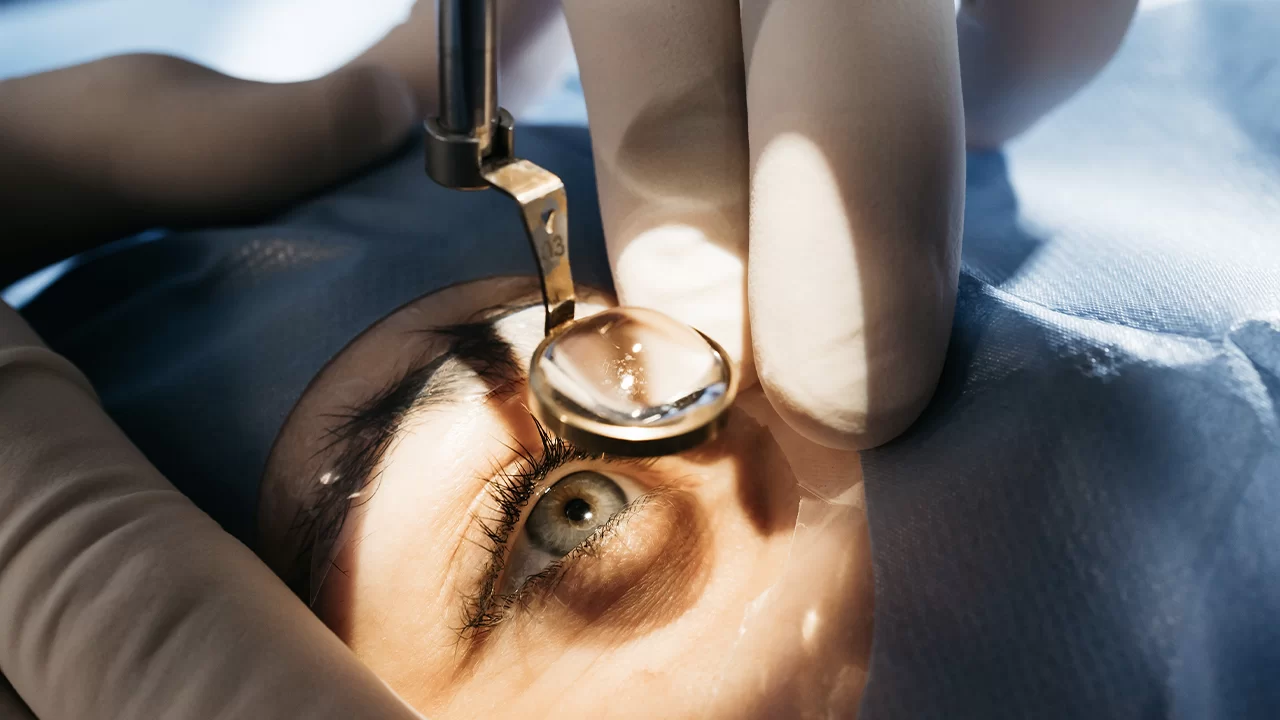
Ocuvision therapy, referred to in medical literature as "Transcorneal Electrical Stimulation (TES)," is an innovative, non-surgical, and highly reliable treatment method based on the principle of sending specific, very low-dose, controlled electrical currents to the outer surface of the eye (cornea) using the specially developed OkuStim device.
The retina and optic nerve essentially function like an electrical grid; they receive light and send it to our brain as electrical signals. When hereditary or degenerative diseases weaken these cells, electrical communication between cells is broken, and tissues gradually begin to die. Ocuvision technology, a product of German engineering and clinical research, stimulates eye cells with these external micro-electrical currents—as if recharging a weakened battery—awakening them from dormancy and re-triggering the biological processes necessary for their survival.
How Does the Mechanism of Ocuvision Therapy Work?
The miraculous effects of this high-tech treatment, applied at Dr. Ayşe Öner's clinic, on the cellular structure of the eye occur through three fundamental biological mechanisms:
- Secretion of Neurotrophic Factors (Growth Hormones): When electrical stimulations reach the healthy or dying (apoptotic) cells in the retina, they enable these cells to secrete vital growth proteins such as "BDNF (Brain-Derived Neurotrophic Factor)" and "CNTF (Ciliary Neurotrophic Factor)." These proteins act as a "life elixir" for nerve cells, significantly extending their survival time.
- Increasing Blood Flow and Oxygenation: Micro-electrical currents stimulate the vascular network (choroid) at the back of the eye, accelerating blood circulation. Photoreceptor (vision) cells that have been weakened by lack of oxygen and nutrients due to disease begin to be nourished again with the increased blood flow.
- Strengthening Cell Communication (Synaptic Connections): By increasing the electrical signals that weakened cells send to the brain, communication between cellular networks is strengthened. This allows the patient to use their existing visual capacity with maximum efficiency.
Which Eye Diseases is Ocuvision Therapy Applied To?
Ocuvision therapy is not a standard method applied to every eye disorder; on the contrary, it shows high effectiveness in very specific diseases characterized by cellular destruction. The primary patient groups for whom this treatment is applied in our clinic in accordance with international protocols are:
- Retinitis Pigmentosa (Night Blindness): The disease group where Ocuvision therapy is most applied in the world and its effectiveness is most clearly proven by clinical studies. it is one of the strongest supportive treatments in preventing the narrowing of the visual field by slowing down cell death.
- Usher Syndrome: Used to slow down cellular loss in the eye in this genetic syndrome where hearing loss and Retinitis Pigmentosa occur together.
- Macular Dystrophies and Cone-Rod Dystrophies: Can be planned as a support in certain cases where the central cells providing sharp vision (macula) are damaged due to genetic or degenerative reasons.
- Optic Neuropathies and Glaucoma: In some specific cases, it can be evaluated as a secondary treatment option under specialist control to increase blood supply to the optic nerve and slow down nerve fiber death.
High Technology and Personalized Application Process
Ocuvision therapy is not a surgical operation; it is a completely painless, non-invasive, and highly comfortable outpatient procedure that does not interrupt the patient's daily life. However, since every patient's threshold for sensing the disease and retinal structure are different, the treatment must be planned personally.
Step-by-Step Treatment Process:
- Determination of the Threshold Value (Correct Electrical Current): Before starting treatment, special measurements similar to EEG or ERG are performed on the patient. By detecting the minimum light and electrical threshold that the patient's eye can perceive, the personal "dose (current intensity)" that is most suitable, safest, and will create the highest effect for that patient's eye is determined. This is the most critical step in the success of the treatment.
- Placement of Electrodes: The patient is seated in a comfortable chair. The surface is completely numbed by instilling anesthetic drops into the eye. "DTL electrodes," which look like a very thin thread and do not irritate the eye, are gently placed just inside the eyelid (on the corneal surface). Other reference electrodes are taped onto the skin (forehead or behind the ear area).
- Stimulation Phase: Electrical currents appropriate for the patient's personal prescription are started to be sent via the special computer-aided OkuStim device. The process takes approximately 30 minutes. The patient does not feel any pain or stinging during this time; they may only experience a slight tingling sensation.
- Periodic Sessions: In order for the treatment to have a permanent effect, stimulation must be regular. Sessions are generally continued once a week or at intervals determined by the specialist.
Expectations from Treatment: Realistic and Scientific Solutions
Ocuvision therapy is not a treatment that magically resurrects dead cells and completely eliminates blindness; our patients knowing this scientific fact places their belief in the treatment on a healthier foundation. The biggest goal of this treatment applied by Dr. Ayşe Öner is to gain time.
According to international clinical studies (e.g., the ESTIVEM study), it has been scientifically proven that in Retinitis Pigmentosa patients receiving regular Ocuvision treatment, the narrowing of the visual field slows down by up to 50%. Patients generally report a lightening in their vision in dim light, a decrease in eye fatigue, an increase in contrast sensitivity, and a clearer, brighter sense of vision from the 3rd to 6th month of treatment. The biggest success of the treatment is the patient preserving their remaining visual capacity, being able to walk on their own, and not being dependent on others in their daily life.
Frequently asked questions
What is Okuvision therapy and how does it revitalize cells?
Okuvision (Transcorneal Electrical Stimulation - TES) is a revolutionary treatment that forces "dormant," weakened, or stressed retinal cells to "wake up" by stimulating them with extremely mild micro-electrical currents sent from the outside. These micro-currents ignite energy production (mitochondrial activity) inside the cells, increase blood flow to the back of the eye, and strengthen nerve conduction. It is applied using FDA-approved devices, particularly to preserve the visual field in patients with Retinitis Pigmentosa and Optic Atrophy.
Does the treatment hurt? Does it require surgery?
Absolutely not. Okuvision is not a surgical procedure; it is 100% non-invasive. Special sensors as thin as thread are placed on the patient's eye, and micro-currents are sent from the device while the patient is awake. During the procedure, the patient feels no pain, shock, or ache; at most, they perceive a very slight tingling or flashes of light (phosphenes) in the eye. It is an extremely comfortable and safe session.
How is Ocuvision treatment planned?
Ocuvision is not a one-time application but a treatment of consecutive sessions aimed at stimulating the electrical conduction of the eye and brain; it is usually planned as courses of 1–2 weeks. The number and frequency of sessions are determined after the examination.
This content is for information only; please consult your physician for diagnosis and treatment.