Macular Degeneration (Age-Related Macular Degeneration)
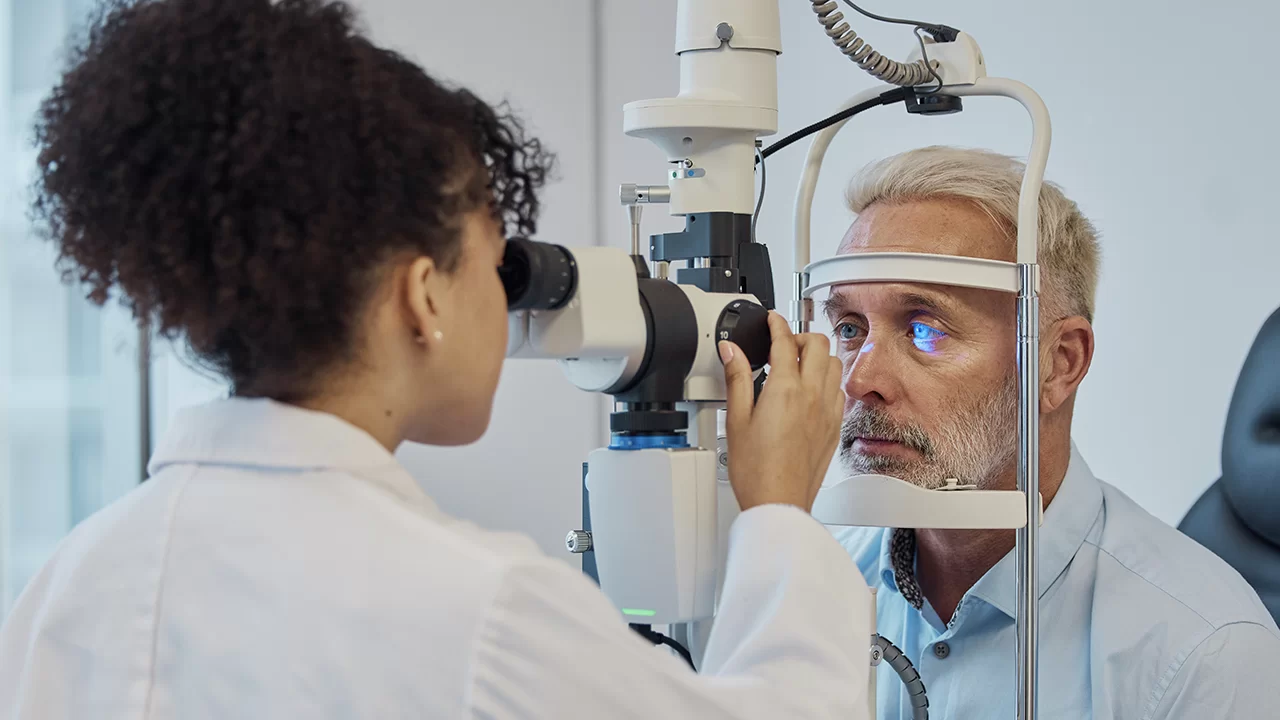
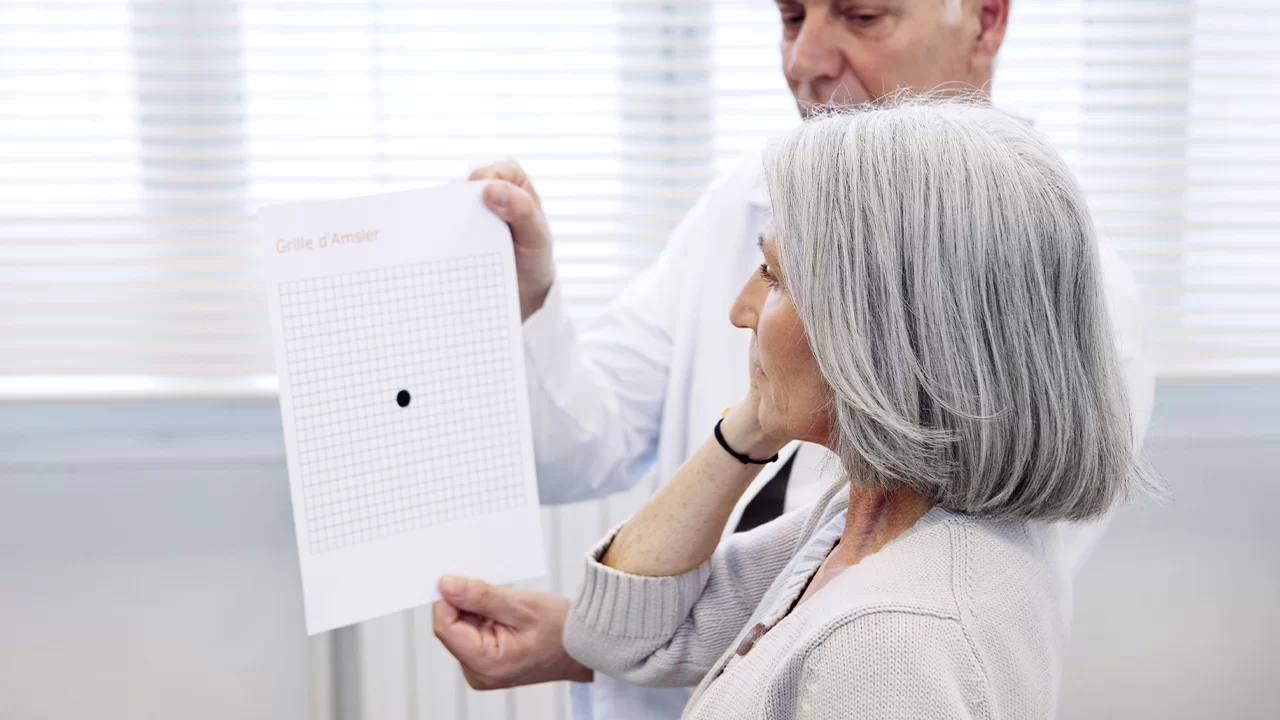
Known in medical literature as "Macular Degeneration," yellow spot disease is a condition where the macula (yellow spot) region, located at the back…


30 years of academic experience in inherited retinal and optic nerve diseases. Dünyagöz Ataköy Hospital, Istanbul.
Prof. Dr. Ayşe Öner is a leading ophthalmologist specializing in retinal diseases, vitreoretinal surgery, and stem cell treatments.

Known in medical literature as "Macular Degeneration," yellow spot disease is a condition where the macula (yellow spot) region, located at the back…
Diabetic retinopathy is a condition where the capillaries of the retina—the inner layer at the back of the eye that transmits visual signals to the…
The retina (nerve layer), which covers the back inner wall of our eye like wallpaper, consists of millions of nerve cells that perceive light from…
Just as our heart or brain needs an uninterrupted blood flow to function, the nerve layer of our eye (retina) similarly requires rich oxygen and…
In a normal pregnancy process, vascular development in the baby's eye begins in the womb at approximately the 16th week and continues until birth…
The nerve layer covering the back inner wall of our eye, consisting of light-sensitive nerve cells, is called the retina. The millimetric area…
Also known in medical literature as "Macular Pucker," "Cellophane Maculopathy," or "Premacular Fibroplasia," Epiretinal Membrane (ERM) is a thin…
The nerve layer covering the inner surface of our eye and initiating the vision process is called the retina. The most critical region of the retina…
What is optic atrophy? Learn how Magnovision therapy reactivates visual pathways, who can benefit, and how this non-invasive treatment works.
What is vision rehab with biofeedback and microperimetry? Learn how the brain retrains vision and who can benefit from this approach.
What is Valeda light therapy for dry AMD? Learn how photobiomodulation supports vision and who may benefit from this innovative treatment.
Dr. Ayşe Öner is a highly experienced ophthalmologist and microsurgeon internationally recognized in neuro-ophthalmology, inherited retinal diseases (such as retinitis pigmentosa and Stargardt disease), macular degeneration, advanced cataract surgery, and ocular trauma. Our clinic specializes in advanced diagnostic and treatment approaches, including cellular-level diagnostics, genetic therapy guidance, and neuro-visual rehabilitation (Biofeedback, Magnovision, Okuvision), which are available in only a limited number of centers worldwide.
Yes. You can share your previous eye examinations (OCT, visual field, etc.) or genetic test reports via the contact form or WhatsApp. These results are also evaluated during the examination.
Absolutely. Many patients visit us specifically for diagnostic purposes, especially in complex cases such as genetic eye diseases, optic neuropathies, or conditions that are difficult to diagnose. Using advanced diagnostic technologies, we provide a detailed and scientifically based evaluation of your condition.
The duration depends on your specific condition and treatment plan:
The exact duration will be clearly outlined in your personalized treatment plan.
In most cases, yes. Flights are safe after procedures such as injections, laser treatments, or cataract surgery. However, if gas is used during retinal surgery (vitrectomy), flying is not recommended for approximately 2–6 weeks due to cabin pressure. This will be clearly explained to you in advance.
Bringing your previous medical records—such as OCT scans, visual field tests, angiography results, genetic test reports, and a list of medications you are currently using—will significantly speed up the diagnostic process.
Contact does not end after treatment. With our remote follow-up system, you can share check-ups carried out at another centre with us. Dr. Ayşe Öner reviews the results and guides your treatment remotely.